Book Appointment Now

The striations And stiffening Ribs on standing seam
In metal roofing and wall systems, the “oil canning effect” is a commonly seen visual phenomenon, which specifically manifests as wavy or distorted deformation of the panels, resembling ripples or bulges. This situation is particularly prevalent in light – gauge cold – formed metal products, especially those with large and flat areas.
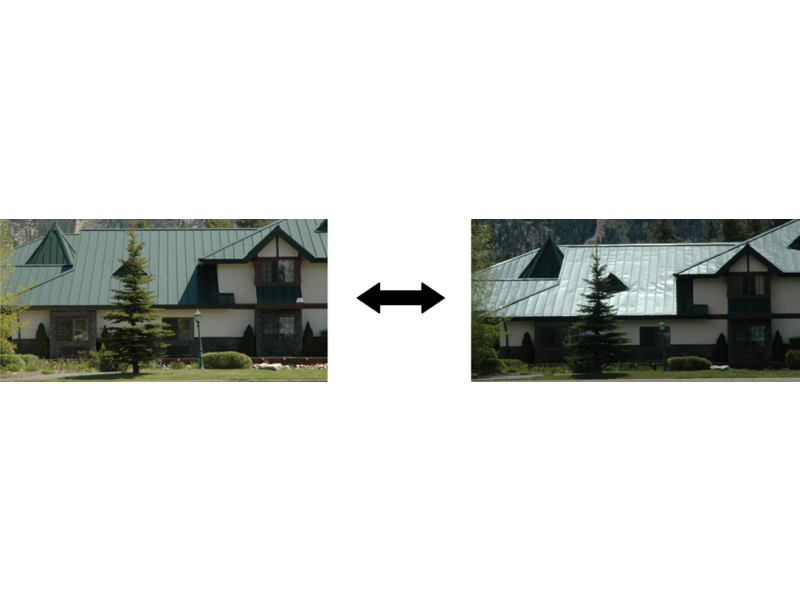
To address this issue, people will add specific structures to the panels, and different types of structures play different roles. The primary purpose of incorporating structural elements into metal panels is to completely eliminate the oil canning effect, or at least reduce its visual . It is worth noting that adding such structures will not incur additional costs nor change the basic aesthetic appearance of the panels.
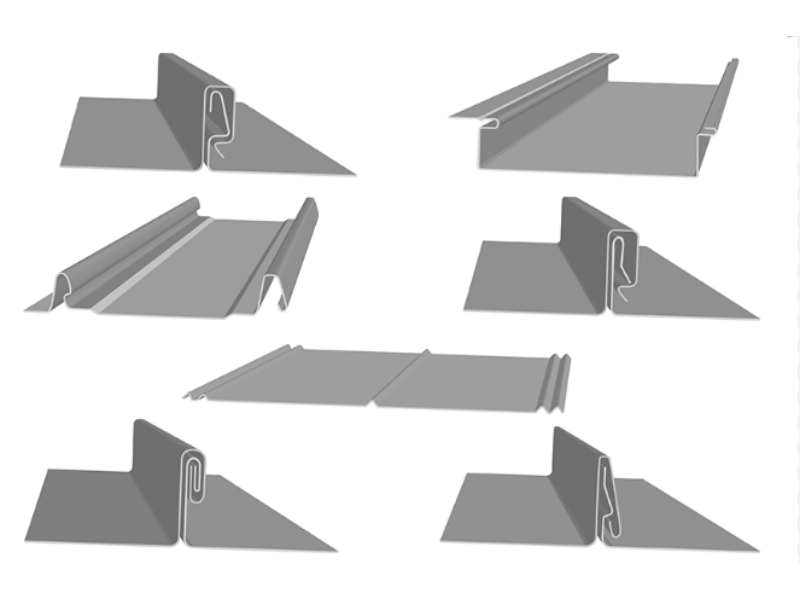
The first type of structural design is called “clip relief”, which is cleverly arranged on the outer vertical edge of the panel. One of the most prominent advantages of clip relief is that it is almost invisible: most areas of the panel remain flat, and only a small independent area has a slight depression. This slight depression is specially designed to be accurately aligned with the panel clip, which can not only greatly reduce the possibility of the oil canning effect but also not attract attention visually. Especially from the ground perspective, because it occupies a very small area on the panel surface, it is almost completely imperceptible. This combination of functionality and concealment makes clip relief an ideal solution, which is why it has become a standard configuration for all Western State Metal Roofing snap – lock panels.
Although adding structural elements is an effective way to reduce the oil canning effect, an interesting fact is that 80% to 90% of the projects we sell do not have other structures added except for clip relief. This is largely determined by consumer preferences: most people prefer the simple and unadorned appearance of flat panels rather than designs with visible structural features.
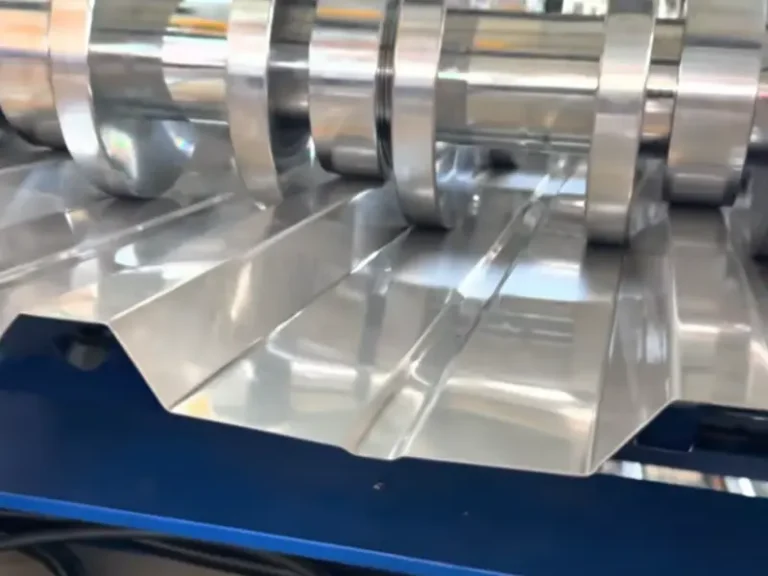
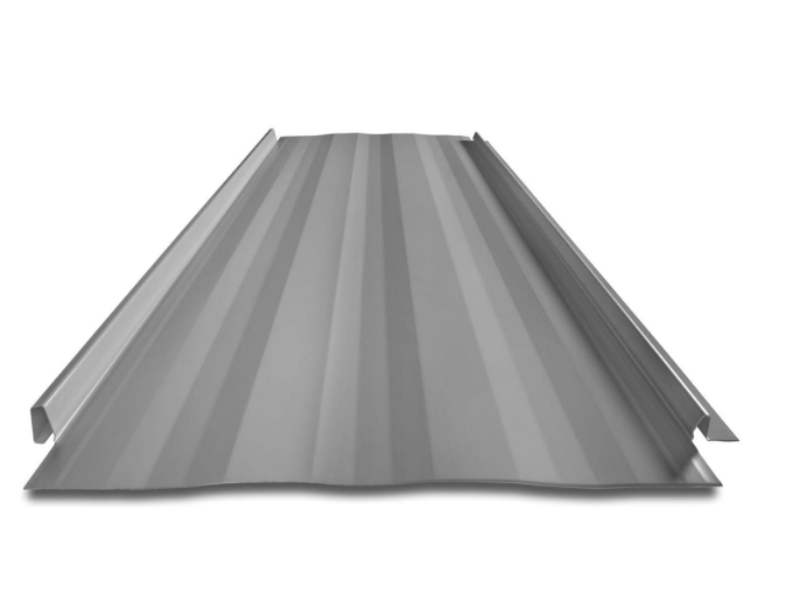
When it is necessary to add structural elements other than clip relief, most panels will adopt a structure called “striations”. Generally speaking, striations are small wavy depressions that spread over the entire surface of the panel. Their main advantage lies in full – panel coverage: if a slight oil canning effect occurs, it will be effectively masked by the striation pattern. When observed at close range, these depressions may appear relatively obvious, but when looking up at the roof from the ground, their visual impact is much weaker than when observed at close range.
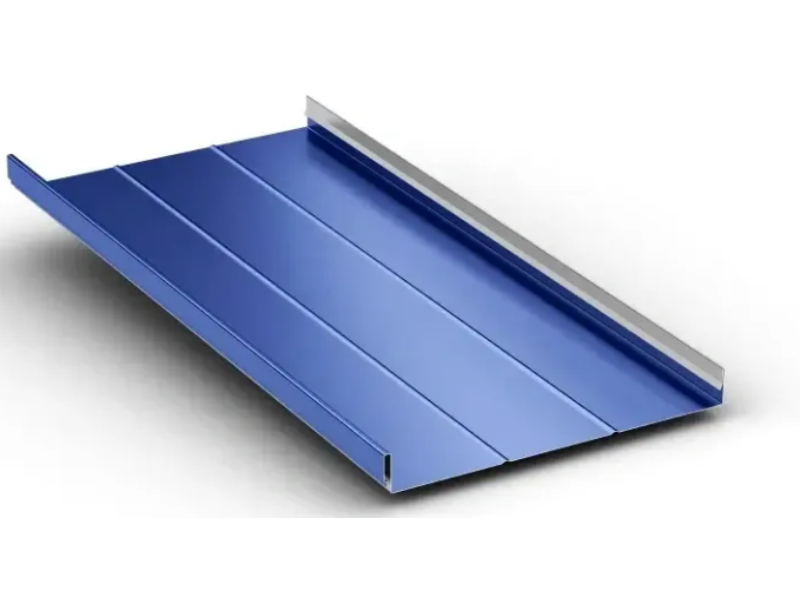
Another structural option is “stiffening ribs”, which are defined as 1 – inch – wide, slightly raised depressions distributed at uniform intervals on the panel. Unlike striations, stiffening ribs do not cover the entire surface of the panel. Although they are highly effective in reducing the oil canning effect, an obvious disadvantage is that for panels with stiffening ribs, the subsequent oil canning effect or damage (such as dents caused by hail) will be more noticeable than on panels with full – coverage striations.
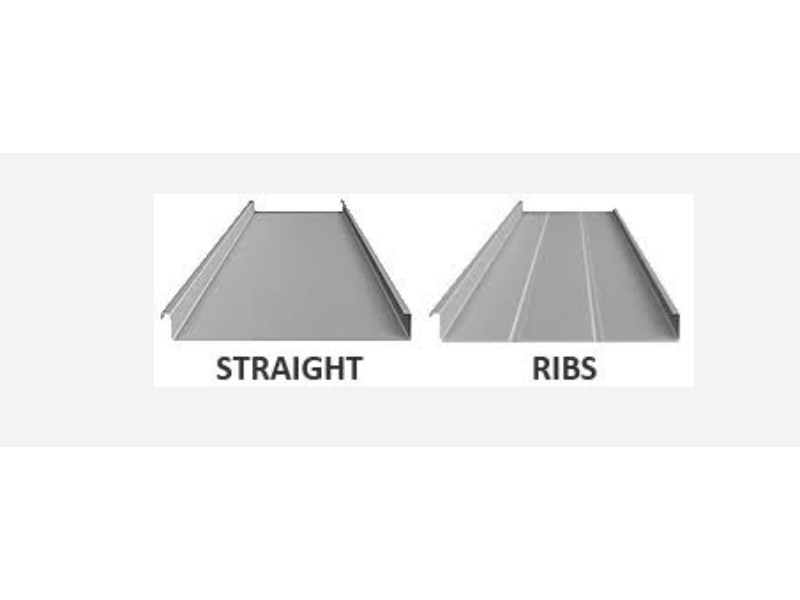
The last type of structure is “pencil ribs”, which share the same advantages and disadvantages as stiffening ribs. The key difference between them lies in size and visibility: pencil ribs are significantly smaller and less noticeable, providing a more low – key structural solution.
To sum up, the core goal of adding structures to metal panels is to reduce the risk of the oil canning effect. It is worth noting that these structural options will not lead to price differences, nor will they affect the engineering performance, delivery time or overall function of the panels.
The existing four structural designs are as follows:
- Clip relief, with extremely low visibility, is a standard configuration for all our panels;
- Striations, that is, wavy depressions covering the entire panel surface;
- Stiffening ribs, that is, 1 – inch – wide depressions distributed at intervals;
- Pencil ribs, which are a miniaturized and more concealed alternative to stiffening ribs.
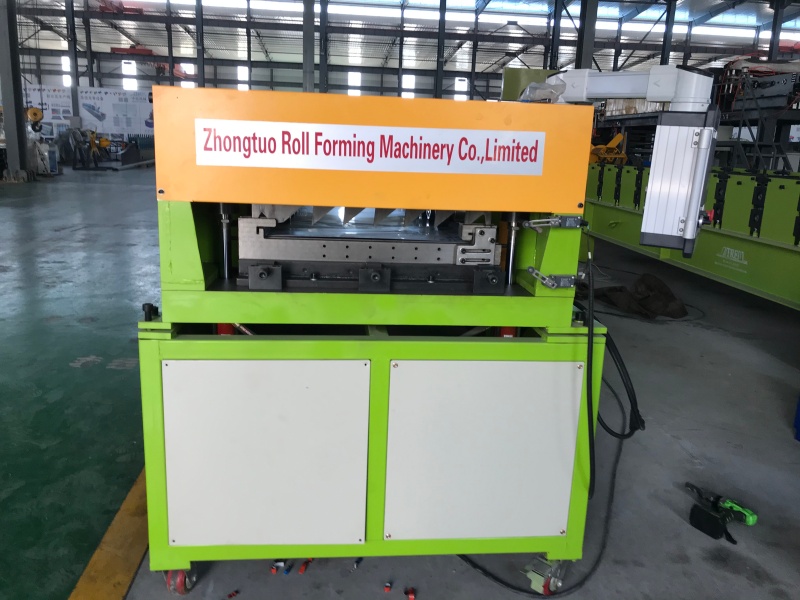
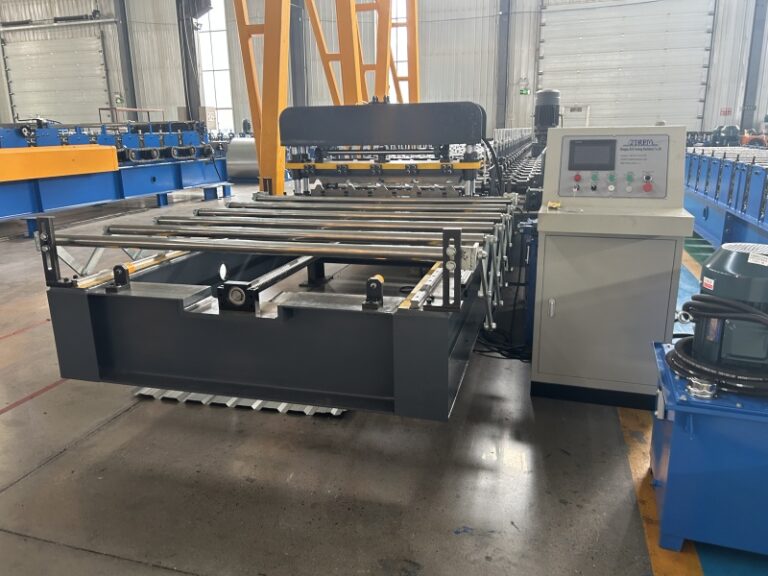
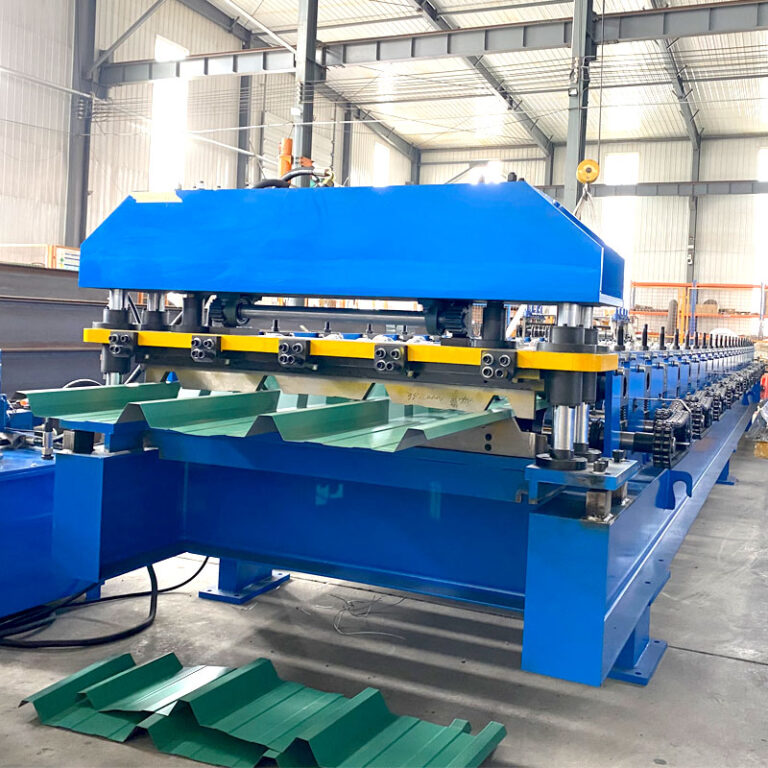
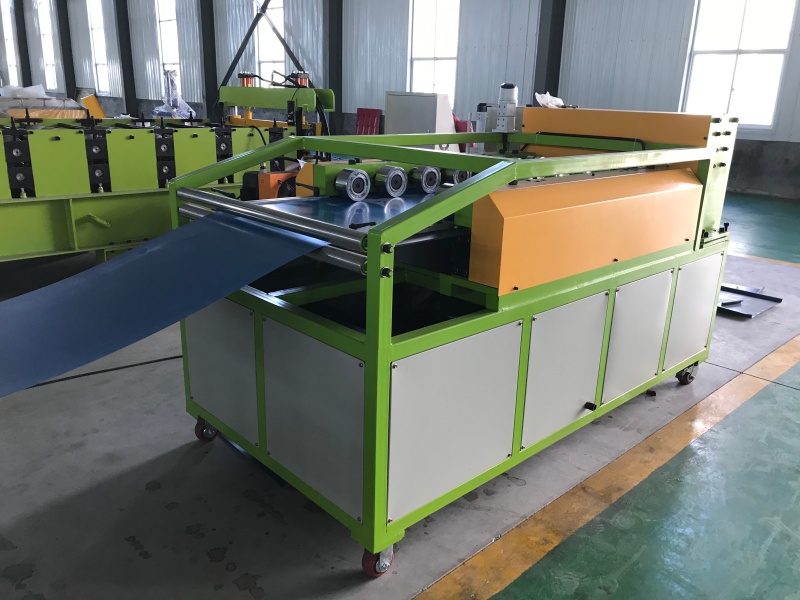
To effectively apply these structural designs and ensure the accuracy and high quality of panel manufacturing, Zhongtuo’s Standing Seam Roll Forming Machine is an ideal choice. This machine is designed with both versatility and durability, and is good at forming panels with features such as clip relief, striations, stiffening ribs and pencil ribs, while maintaining the flat panel aesthetic effect or structured patterns required for different projects.